The One Storage Habit That Preserves Old Maps for Decades

Quick Tip
Maintain a stable temperature and humidity environment to preserve old maps longer than any expensive storage material alone.
Collectors love the thrill of acquisition, but preservation is where collections are quietly won or lost. I’ve seen beautiful 19th-century maps fade, curl, and crumble—not because they were mishandled dramatically, but because of one overlooked factor: inconsistent storage conditions.
If you take only one idea from this article, make it this: stability beats perfection. You don’t need museum-grade vaults, but you do need consistency.
Why Stability Matters More Than Expensive Supplies
New collectors often obsess over acid-free folders, UV glass, and archival sleeves—and those things absolutely help. But even the best materials fail if your environment swings wildly between dry and humid, hot and cold.
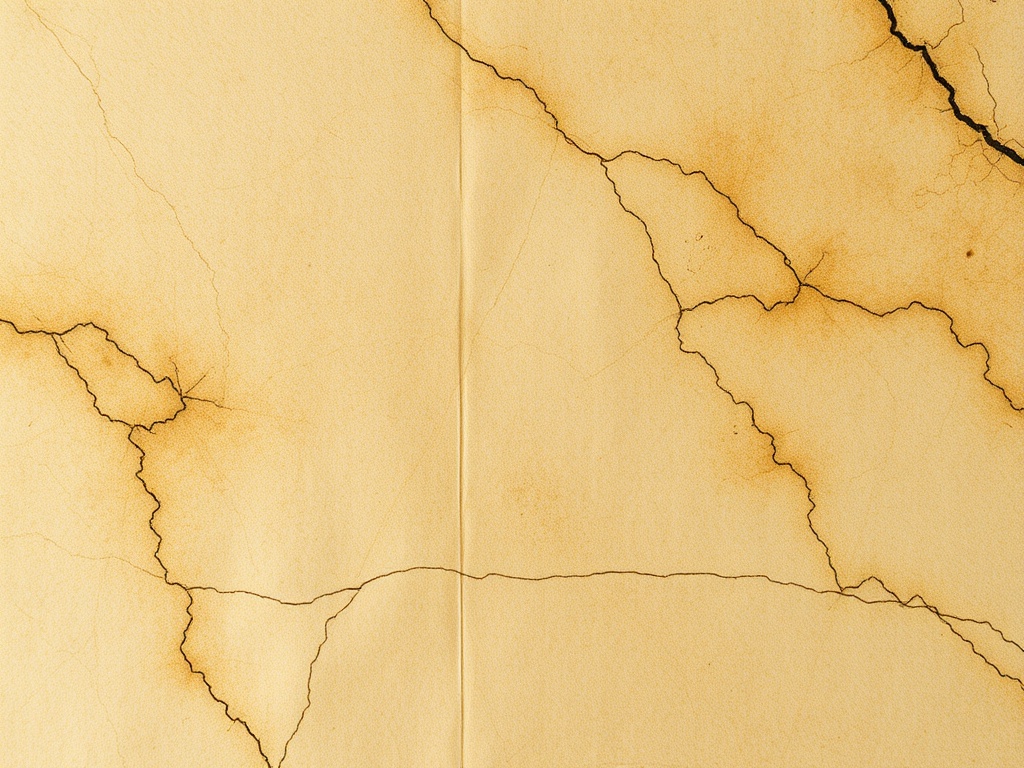
Paper is reactive. Old maps, especially those printed on rag or early wood pulp paper, expand and contract with changes in humidity. Over time, that movement weakens fibers, leading to cracking, warping, and ink separation.
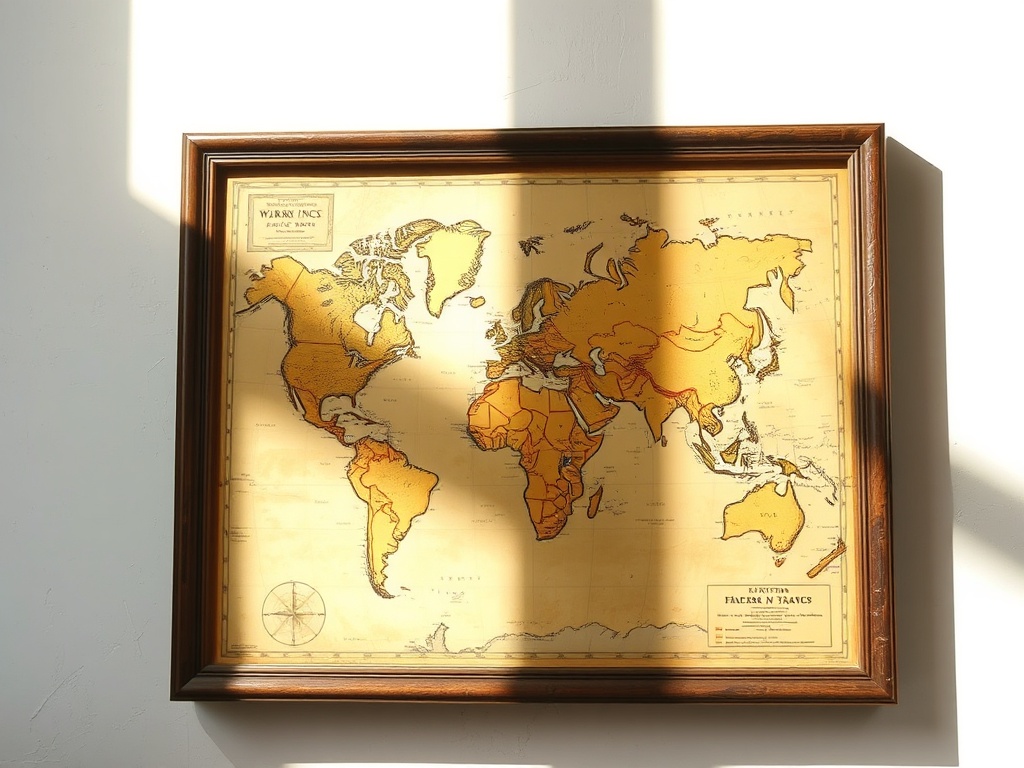
A map stored in a basic archival folder in a stable closet will outlast a map in a premium frame exposed to sunlight and seasonal humidity spikes.
The One Habit: Control Your Environment First
The single habit that separates careful collectors from accidental destroyers is this: maintaining a consistent storage environment year-round.
Here’s what that actually looks like in practice:
- Temperature: Aim for a steady 18–22°C (64–72°F). Avoid attics and basements.
- Humidity: Keep relative humidity between 40–55%. Sudden changes are worse than slightly imperfect levels.
- Light: Store maps in darkness when not displayed. Light damage is cumulative and irreversible.
- Air flow: Gentle airflow prevents mold, but avoid direct vents.
You don’t need lab equipment. A simple digital hygrometer and a consistent storage location will get you most of the way there.
Where Most Collectors Go Wrong
The biggest mistakes I see aren’t dramatic—they’re slow, invisible problems:
- Storing maps in basements where humidity creeps up seasonally
- Displaying maps near windows without realizing UV damage accumulates daily
- Moving collections between rooms with different climates
- Assuming sleeves alone provide protection
None of these ruin a map overnight. But give it five or ten years, and the damage becomes obvious—and irreversible.
Simple Setup That Actually Works
If you’re building a reliable setup, keep it boring and repeatable:
- Pick one interior room or closet away from exterior walls
- Add a small hygrometer to monitor conditions
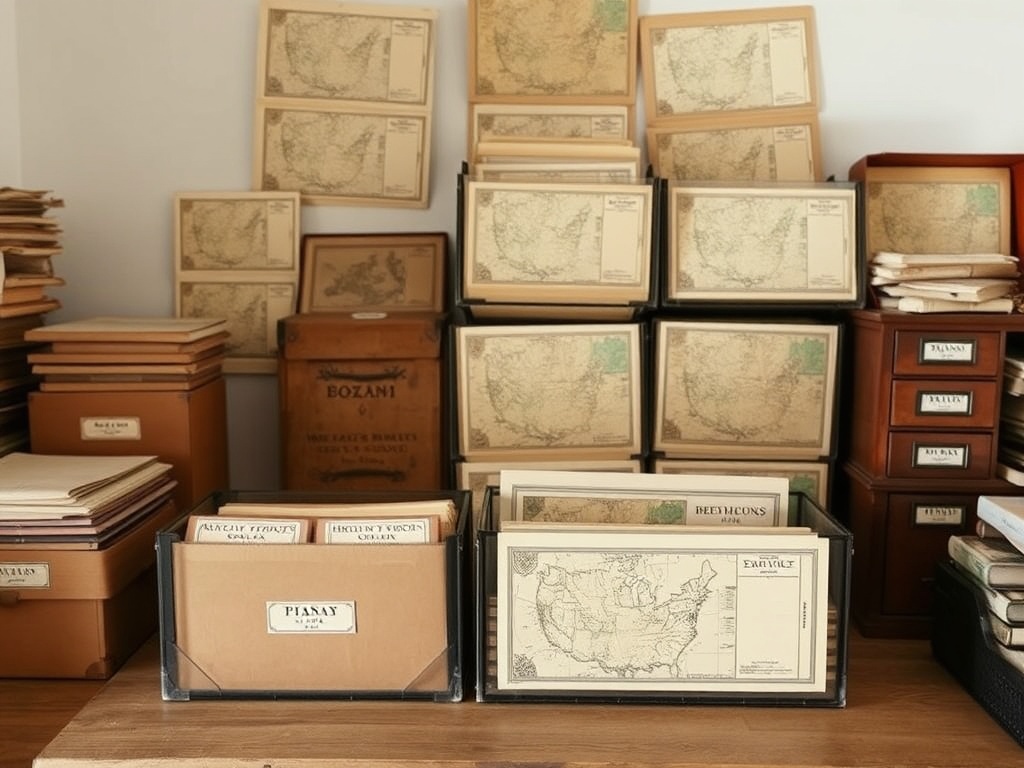
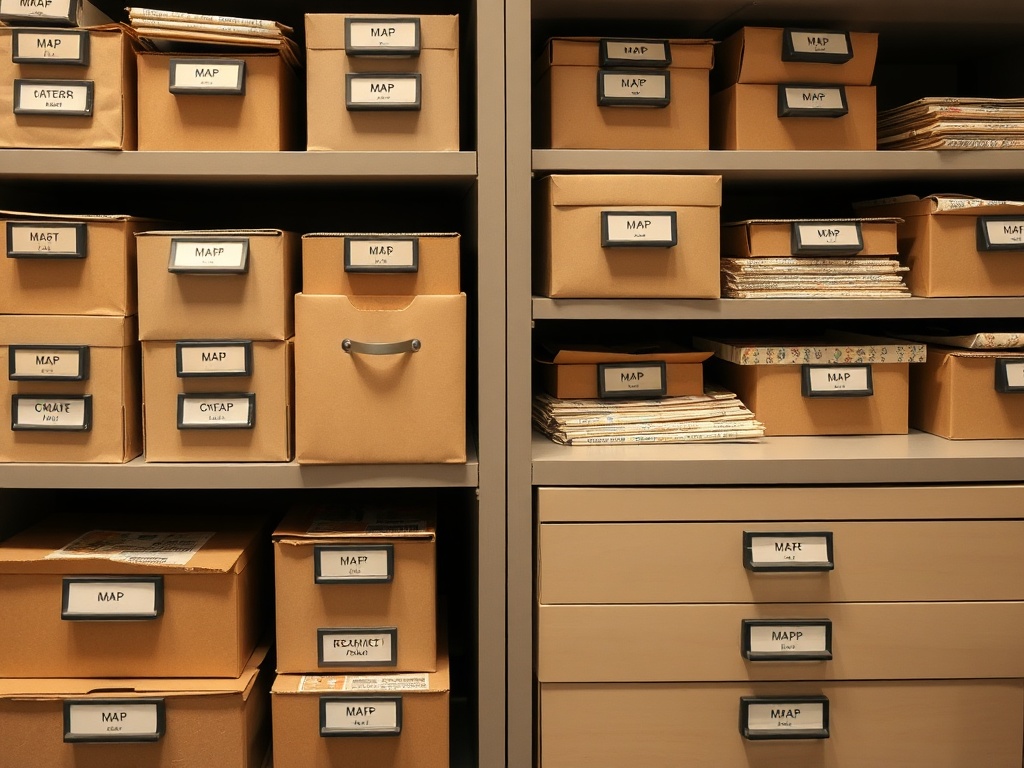
- Use archival folders or flat storage boxes
- Avoid stacking too tightly—maps need to lie flat without pressure
- Check conditions monthly, not obsessively daily
This approach isn’t glamorous, but it’s what keeps collections intact for decades.
What About Framing and Display?
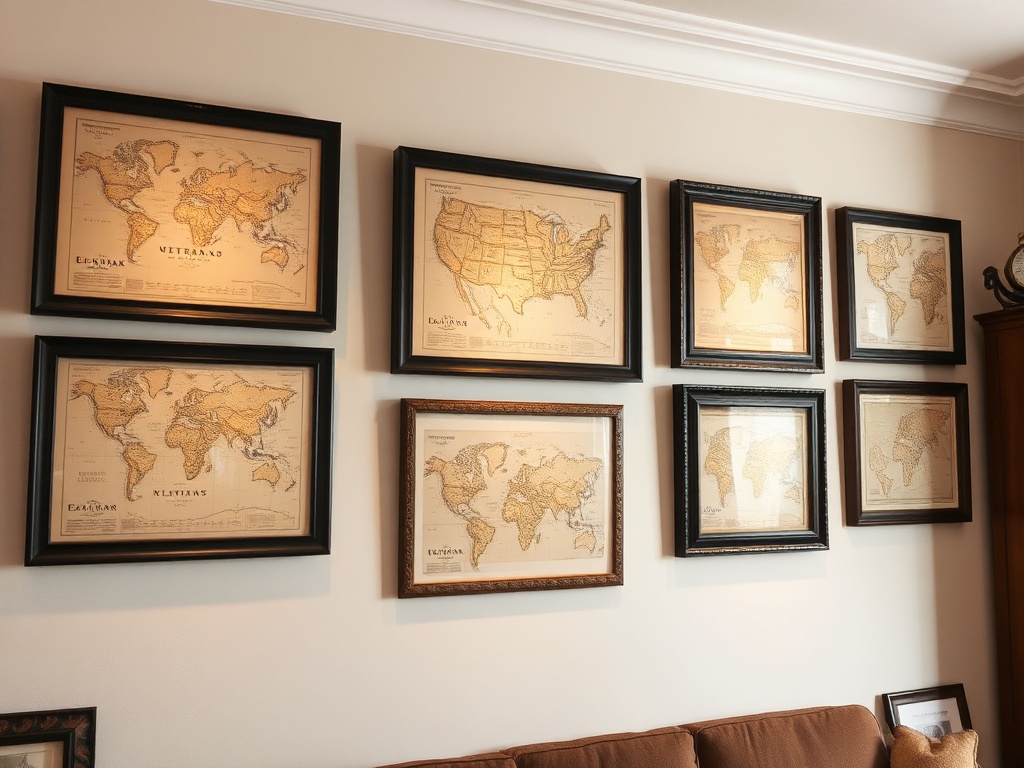
Display is where collectors get into trouble. There’s nothing wrong with showing your maps—but think in terms of rotation.
Instead of leaving one map exposed indefinitely, rotate pieces every few months. This limits light exposure and reduces long-term fading.
If you frame, use UV-protective glass and keep pieces out of direct sunlight. Even then, don’t treat framed maps as permanent fixtures.
The Long View: Collecting Like a Steward
Owning old maps isn’t just about possession—it’s about stewardship. Many of these pieces have already survived a century or more. Your role is to ensure they survive the next one.
That doesn’t require perfection. It requires consistency.
Collectors who focus on stable environments rarely need expensive restoration. Those who ignore it often end up paying for conservation work that could have been avoided entirely.
If you do nothing else, fix your storage conditions. Everything else is secondary.