How to Start Collecting Vintage Maps: A Practical Guide for Serious Beginners

Most people approach vintage maps the wrong way. They either buy the first “old-looking” piece they see or overpay for something they don’t understand. If you’re serious about collecting, you need a framework — not just enthusiasm.
This guide walks you through how to start a vintage map collection with intention, discipline, and a collector’s eye. No fluff. Just what actually matters.
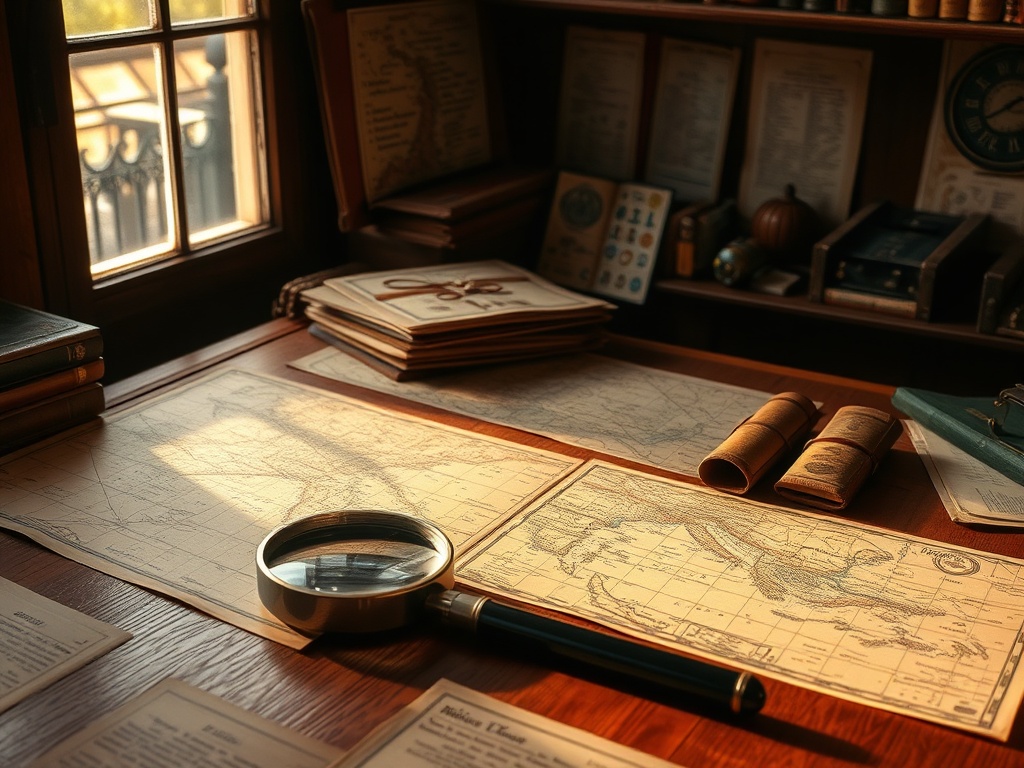
Understand What You’re Actually Collecting
Before you spend a dollar, get clear on this: not all old maps are collectible, and not all collectible maps are valuable.
Vintage maps typically fall into a few categories:
- Decorative maps – visually striking, often reproduced
- Original engravings – hand-printed maps from historical atlases
- Cartographic milestones – maps tied to exploration or major historical shifts
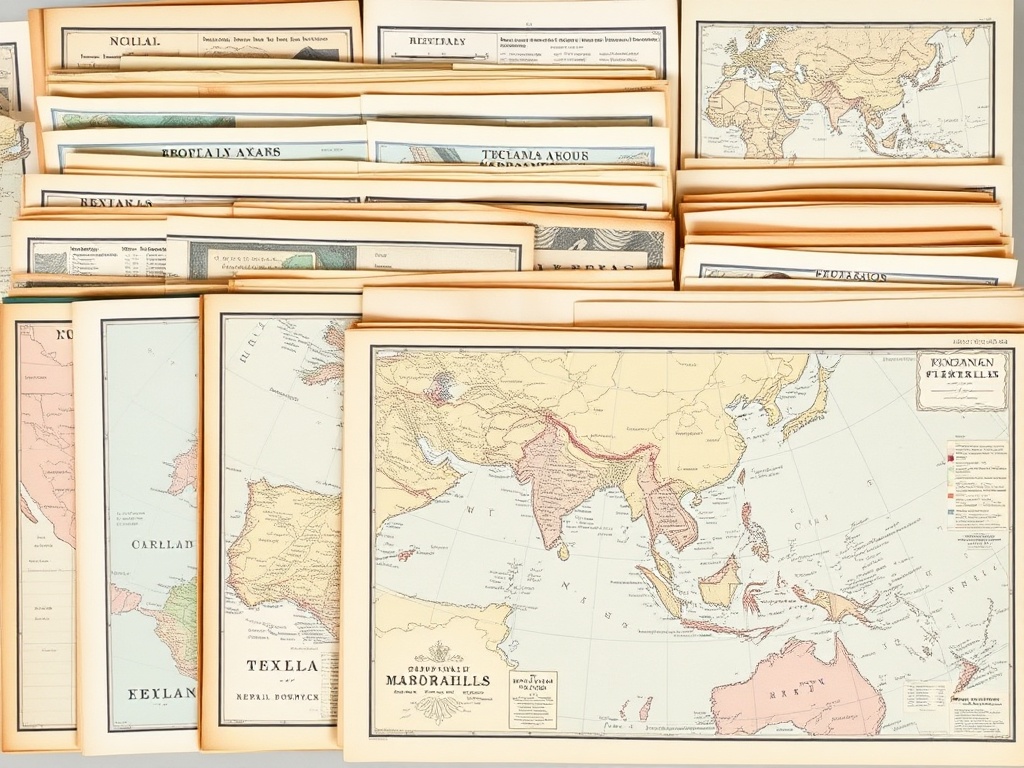
- Regional interest pieces – maps tied to a specific place you care about
Most beginners should start with original engravings or regional maps. They’re accessible, meaningful, and easier to evaluate than high-end rarities.
Set a Clear Collecting Focus
A scattered collection becomes clutter. A focused collection becomes valuable.
Pick a lane early:
- A specific region (e.g., Canadian provinces, European cities)
- A time period (e.g., 18th century, pre-1900)
- A theme (exploration routes, railroads, colonial expansion)
This does two things: it sharpens your buying decisions and makes your collection more coherent over time.
Learn How to Spot Originals vs Reproductions
This is where most beginners get burned.
Key signs of an original map:
- Plate marks (indentations from printing plates)
- Visible aging (uneven toning, foxing)
- Hand coloring that isn’t perfectly uniform
- Paper texture consistent with the era
Red flags for reproductions:
- Perfectly clean paper
- Glossy finishes
- Pixelation under magnification
If you’re unsure, assume it’s a reproduction until proven otherwise. That mindset alone will save you money.
Where to Buy (Without Getting Burned)
There are three reliable channels:
- Specialized dealers – higher prices, but vetted authenticity
- Auction houses – potential deals, but requires knowledge
- Online marketplaces – widest selection, highest risk
For beginners, start with reputable dealers. Yes, you’ll pay more — but you’re buying education along with the map.
As you gain confidence, auctions and private sellers become more viable.
How to Evaluate Condition (What Actually Matters)
Condition directly impacts value, but not all flaws are equal.
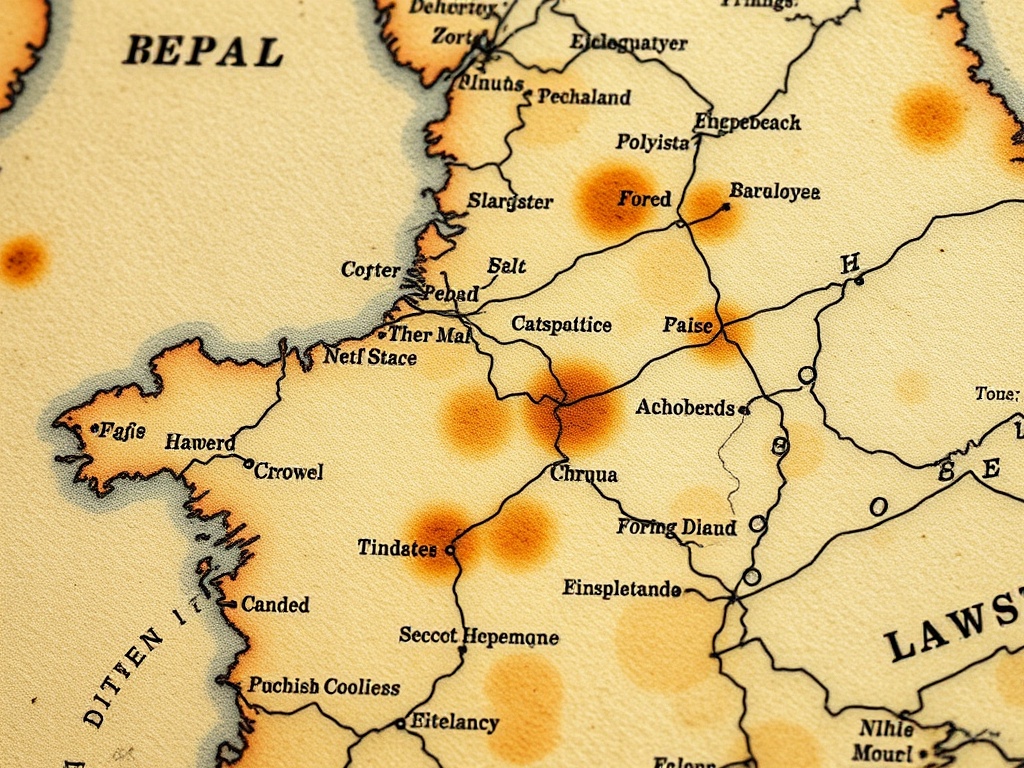
Acceptable issues:
- Light foxing
- Minor edge wear
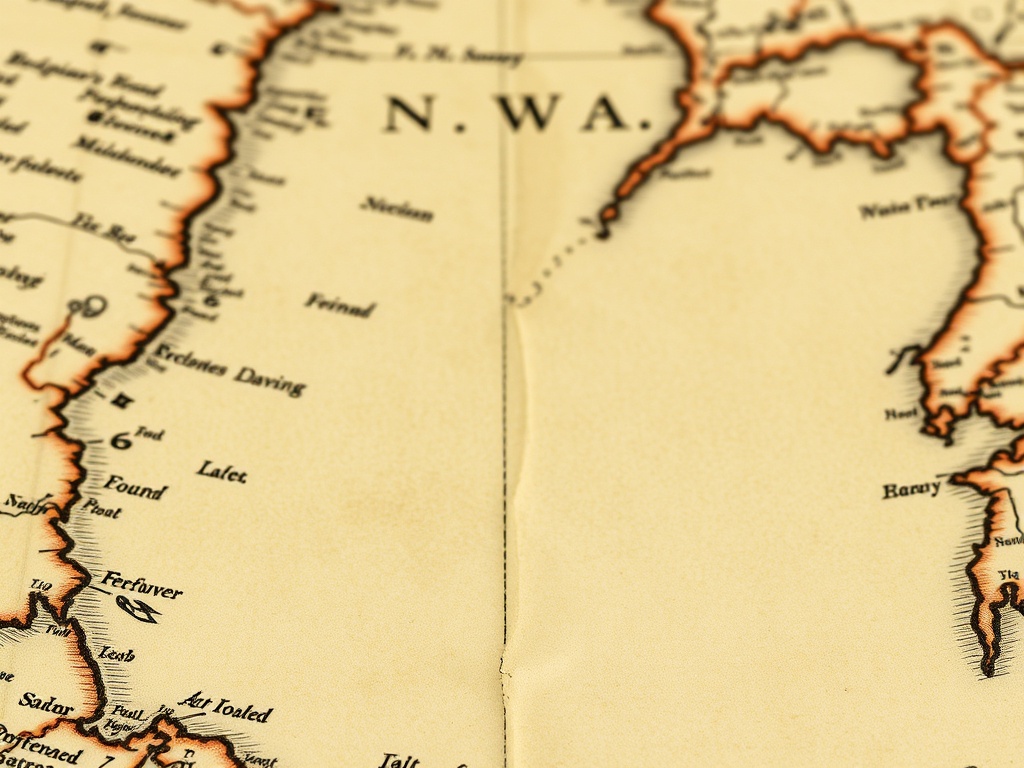
- Centerfold lines (common in atlas maps)
Serious problems:
- Tears into the image
- Heavy staining
- Trimmed margins
Collectors often tolerate minor age-related imperfections. They don’t tolerate damage that compromises the map’s integrity.
Pricing: What’s Fair vs What’s Fantasy
Prices vary wildly based on rarity, condition, and demand. A decorative 19th-century map might cost $50–$200, while rare pieces can reach thousands.
To stay grounded:
- Compare recent sales, not asking prices
- Track a few dealers to understand market norms
- Avoid “too good to be true” listings
If a price feels confusing, it usually means you need more context — not that you’ve found a hidden treasure.
Storage and Preservation Basics
You don’t need a museum setup, but you do need to avoid rookie mistakes.
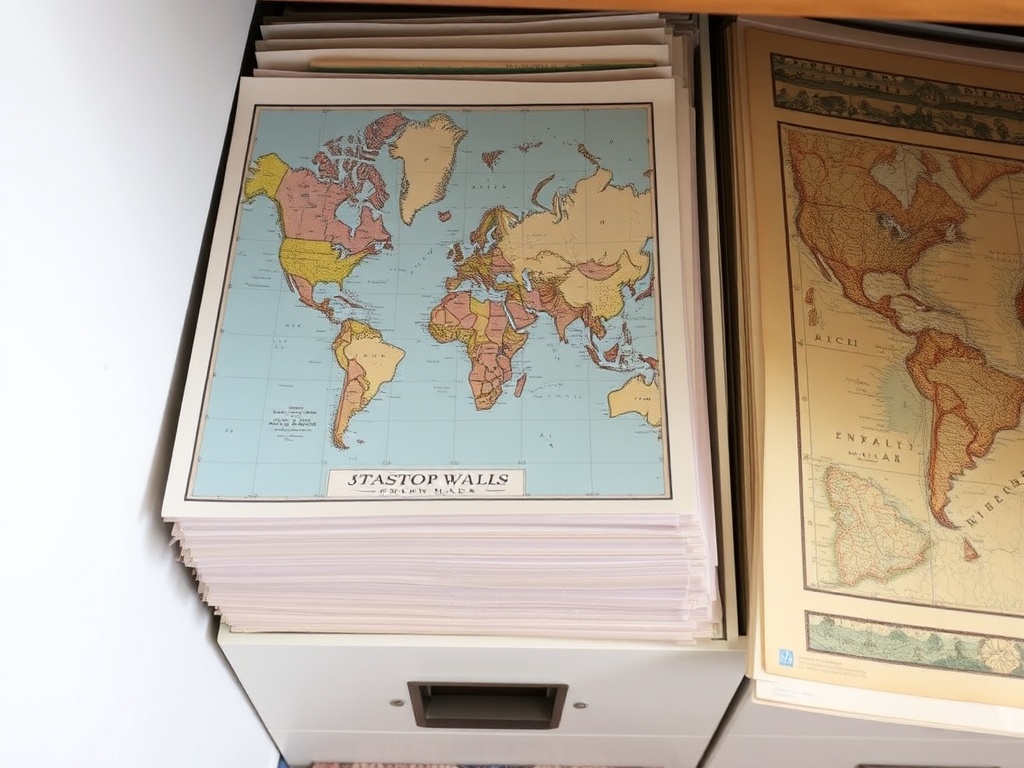
- Store maps flat or in archival sleeves
- Avoid direct sunlight
- Keep humidity stable
- Use acid-free materials only
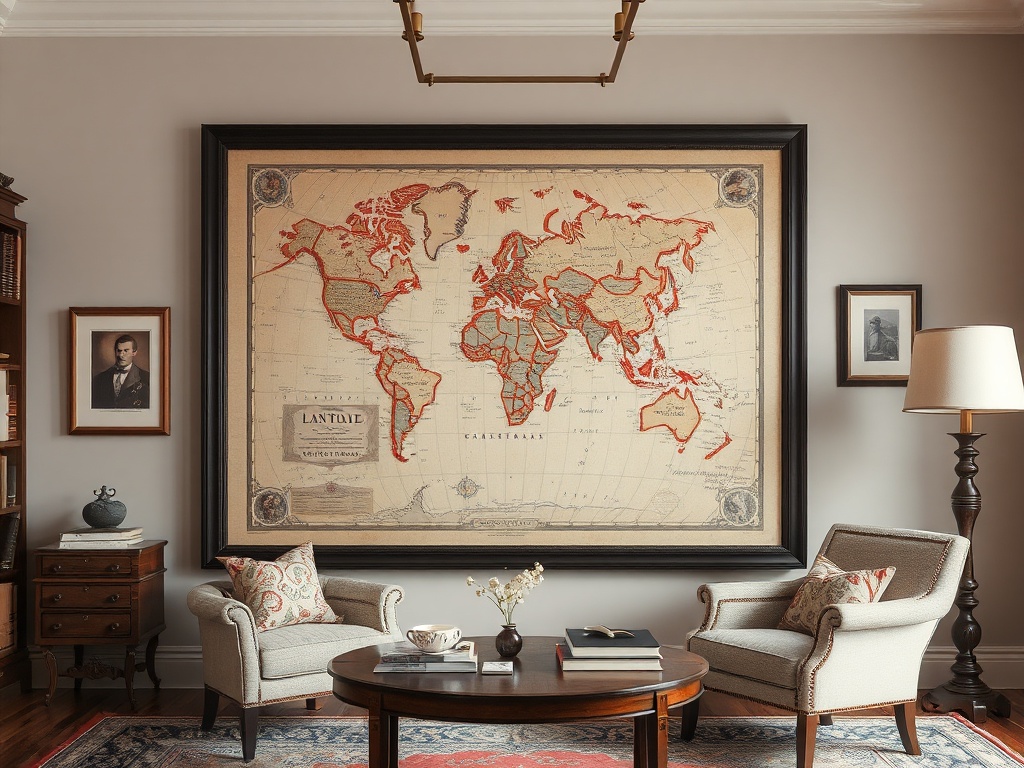
Framing? Use UV-protective glass and acid-free backing. Otherwise, you’re slowly damaging what you just paid for.
When to Upgrade Your Collection
At some point, you’ll outgrow your early purchases. That’s normal.
Signs you’re ready to upgrade:
- You recognize mapmakers and publishers
- You can identify printing techniques
- You’ve passed on multiple “good deals” because they didn’t fit your focus
That’s when you start buying fewer pieces — but better ones.
Final Thoughts
Collecting vintage maps isn’t about owning old paper. It’s about understanding history through objects that survived it.
If you approach it with patience and a bit of skepticism, you’ll build something far more interesting than a random pile of maps. You’ll build a collection that actually means something.