Vintage maps are more than just historical items; they are windows into the past, reflecting the art, geography, and exploration of earlier centuries. Whether you are a seasoned map collector or just beginning to explore the world of old maps, proper care and display are essential for preserving these treasures. This guide will walk you through the best practices for displaying and caring for your vintage maps, ensuring they stay in excellent condition for years to come.
1. Understanding the Value of Your Vintage Maps
Before you start caring for your vintage maps, it’s important to understand their value—both monetary and historical. The rarity, age, condition, and historical significance of a map all contribute to its value. Antique maps from well-known cartographers like Gerard Mercator or Abraham Ortelius can be particularly valuable. Understanding what makes your map unique will help you determine the level of care it requires.
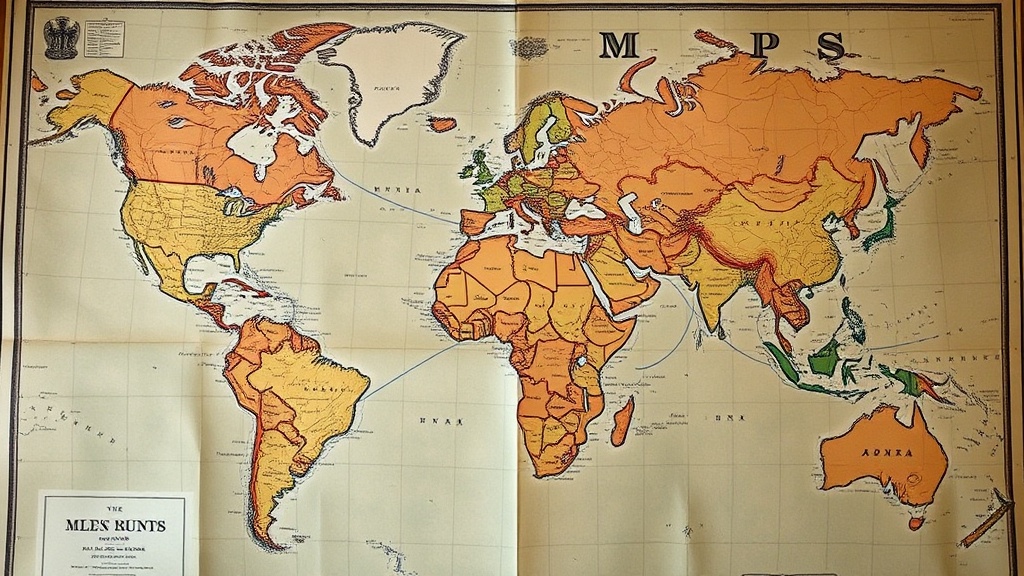
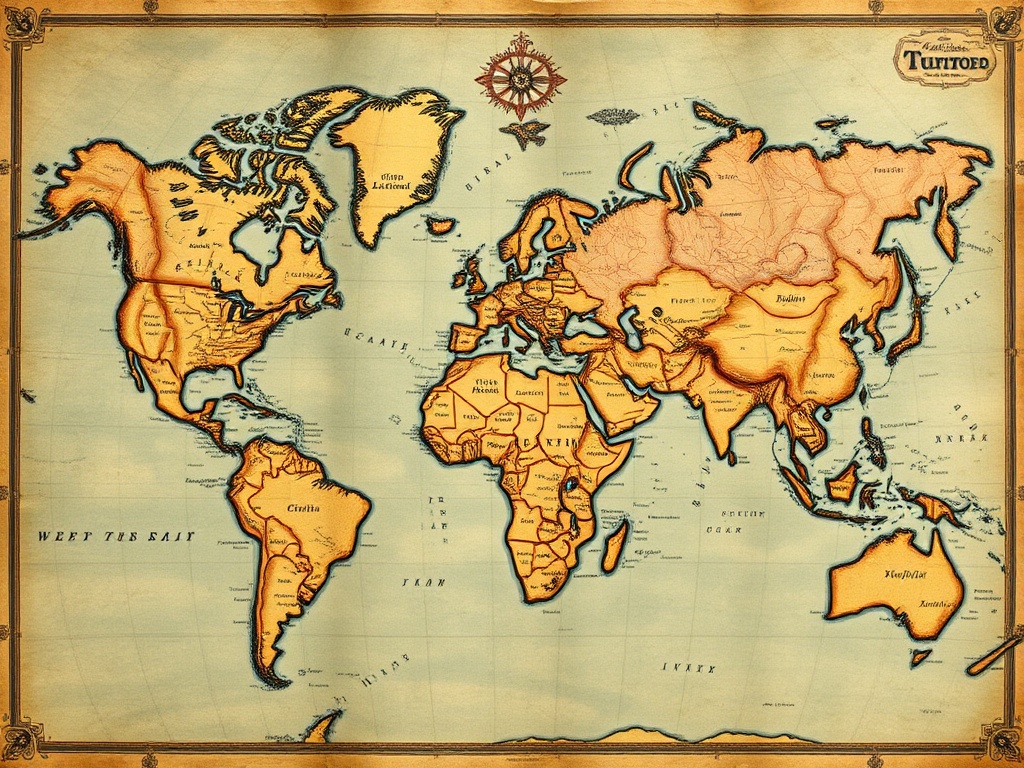
A vintage map of the world with intricate details and faded colors, displaying historical landmarks and old cartography symbols
2. Proper Storage to Preserve Your Maps
The first step in caring for your vintage maps is storing them properly. Improper storage can lead to fading, creasing, or even damage from pests. Here’s what you need to do:
Flat Storage: Whenever possible, store your maps flat. Rolling them up can cause permanent creases or bends. If flat storage isn’t possible, make sure to roll them loosely with a protective tissue paper lining.
Archival Materials: Use acid-free materials such as archival folders, boxes, or sleeves to protect your maps from environmental damage. These materials prevent the maps from coming into direct contact with harmful chemicals.
Humidity and Temperature Control: Store your maps in a cool, dry place. Extreme heat or humidity can cause paper to warp, fade, or become brittle. Ideally, maintain a temperature of 65°F (18°C) and relative humidity around 45%.
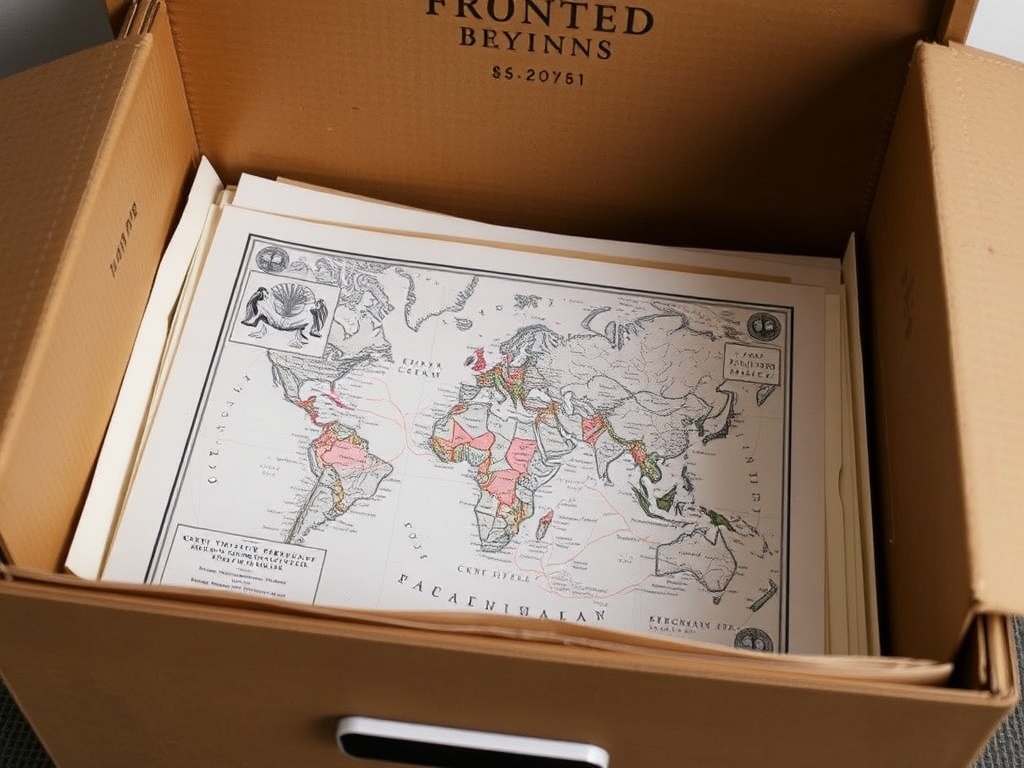
A map stored carefully inside an archival folder, placed in a temperature-controlled storage box
3. Displaying Your Vintage Maps
Displaying your vintage maps allows you to share their beauty while protecting them. Follow these tips for safe and stylish map display:
Frame Your Maps: Framing your maps with acid-free materials is the best way to display them. Choose a frame with UV-protective glass to prevent fading from sunlight. Avoid placing the map directly on the glass—leave a gap for air circulation.
Mounting Techniques: If you want to mount your map without a frame, use Velcro strips or corner mounts that don’t damage the paper. Never use tape or glue directly on the map, as it can cause permanent damage.
Choose the Right Location: Hang your maps in a place where they won’t be exposed to direct sunlight or excessive heat. Avoid hanging them near windows or vents, as these can damage the paper over time.
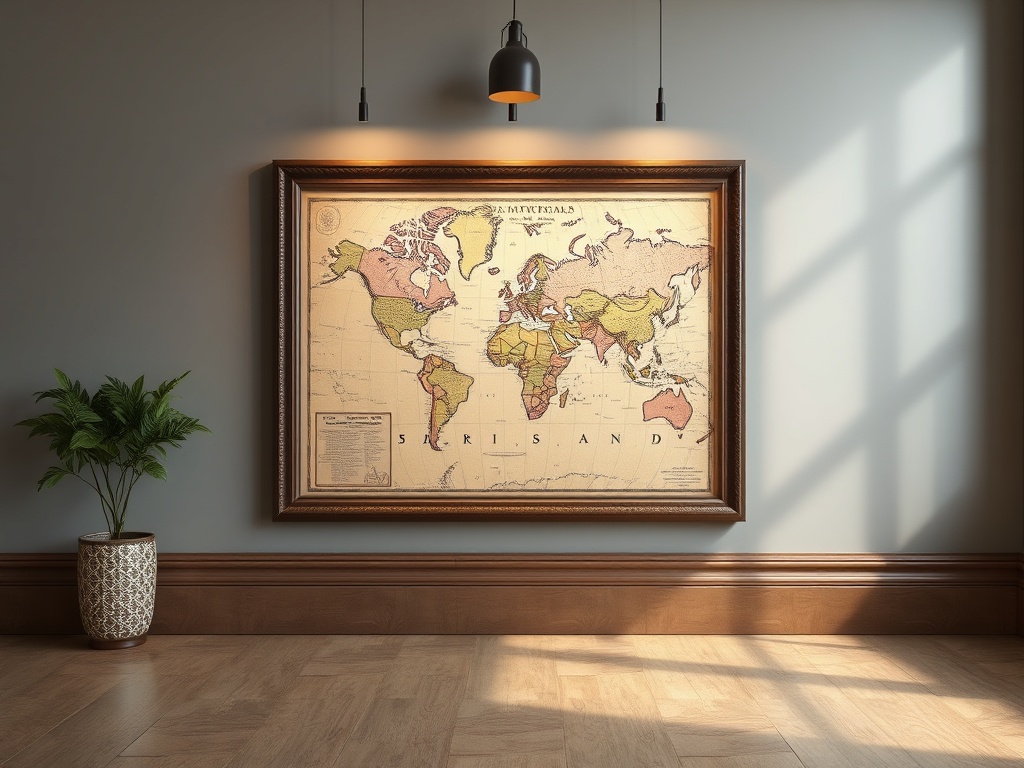
A beautifully framed vintage map, displayed in a museum-style setting with soft lighting and no direct sunlight
4. Cleaning and Maintaining Your Vintage Maps
Cleaning your vintage maps should be done sparingly and with great care. Over-cleaning can damage the paper, but regular light cleaning helps remove dust and dirt.
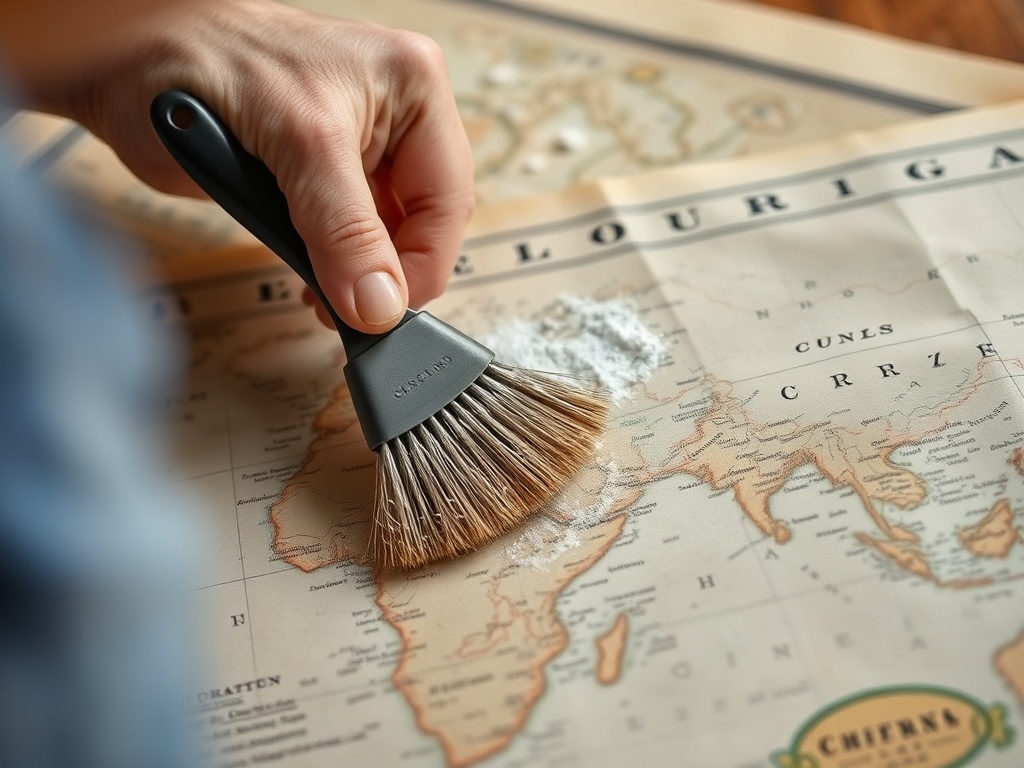
Dusting: Use a soft, lint-free cloth or a gentle brush to remove dust from the surface of your maps. Be sure to do this lightly to avoid damaging delicate surfaces.
Stain Removal: If your map has a small stain, consider seeking the help of a professional conservator. Avoid using household cleaning products, as they can cause more harm than good.
Regular Inspections: Check your maps regularly for signs of damage or deterioration. If you notice any issues, address them promptly to prevent further harm.
A collector gently dusting a vintage map using a soft brush, highlighting the importance of delicate care
5. Additional Tips for Long-Term Care
Aside from the basic care outlined above, here are a few extra tips for keeping your maps in the best condition possible:
Use Gloves: When handling your maps, always wear clean cotton gloves. This will prevent oils and dirt from your fingers from transferring to the paper.
Document Your Collection: Keep a record of your map collection, including details like the map’s provenance, condition, and any repairs that have been done. This will help you maintain and preserve your collection more effectively.
By following these care and display tips, you can ensure that your vintage maps remain in excellent condition for years to come. Proper care not only preserves their beauty and value but also helps keep the stories of the past alive.