How to Buy Vintage Maps Without Getting Burned: A Collector’s Field Guide

There’s a moment every collector remembers: the first time you unfold a genuinely old map and realize you’re holding a piece of how people once understood the world. Not a reproduction. Not décor. The real thing—creases, ink, and all.
But the vintage map market is full of traps. Reprints masquerading as originals. Restored pieces priced like untouched ones. Sellers who know just enough to sound convincing.
This guide is built to help you buy confidently, avoid expensive mistakes, and build a collection that actually holds value over time.

1. Know What Counts as “Vintage” vs. “Antique”
Before you even look at listings, get your terminology straight. In the map world, words matter—and they affect price.
- Antique maps: generally 100+ years old (pre-1920 is a safe working cutoff)
- Vintage maps: typically 1920–1970s
- Reproductions: modern prints, sometimes artificially aged
Here’s the catch: many sellers blur these lines. A 1960s classroom map may be called “antique” because it looks old. It isn’t.
Collectors pay premiums for true age. If the listing avoids a clear publication date, treat it as a warning sign.
2. Learn to Read the Paper First, Not the Artwork
New collectors focus on what the map shows. Experienced collectors focus on what the map is made of.
Paper tells the truth faster than ink ever will.
- Laid paper (pre-19th century): visible chain lines when held to light
- Wove paper: smoother texture, more uniform
- Modern paper: too clean, too white, often glossy
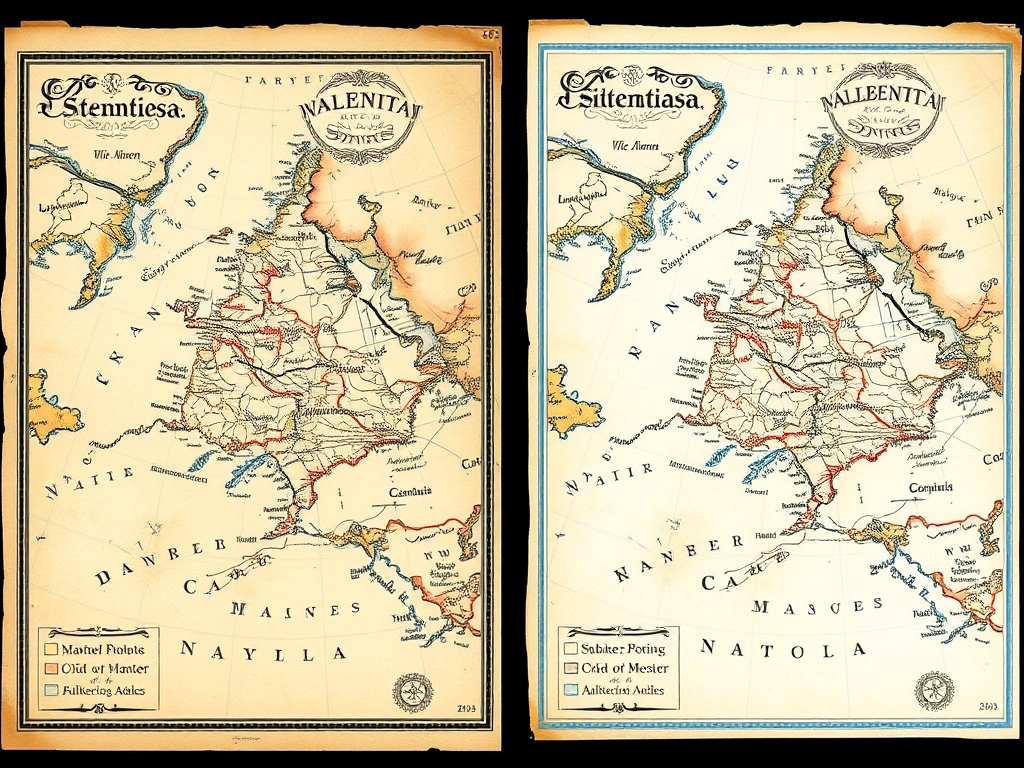
Artificial aging is common. Tea staining, edge distressing, even fake wormholes. But these tricks rarely replicate authentic paper structure.
If you can’t inspect in person, ask for backlit photos. Sellers who refuse are telling you something.
3. Engraving vs. Printing: The Fastest Authenticity Test
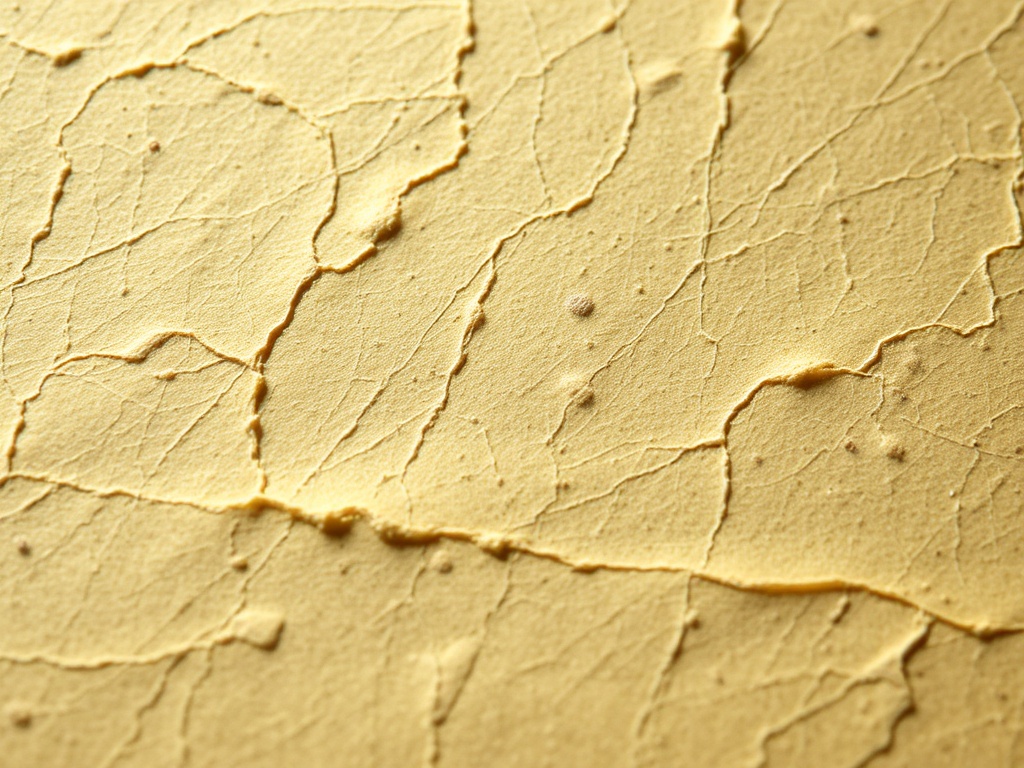
Most valuable antique maps were engraved—etched into metal plates and printed under pressure. That process leaves a physical impression.
- Engraved maps: slight indentation around lines, crisp detail
- Lithographs (19th century): flatter, softer edges
- Modern prints: perfectly flat, often pixel-based under magnification
Run your finger lightly across the surface (if you can). Real engravings have texture. Modern reproductions don’t.
4. Color Can Lie—But It Also Reveals a Lot
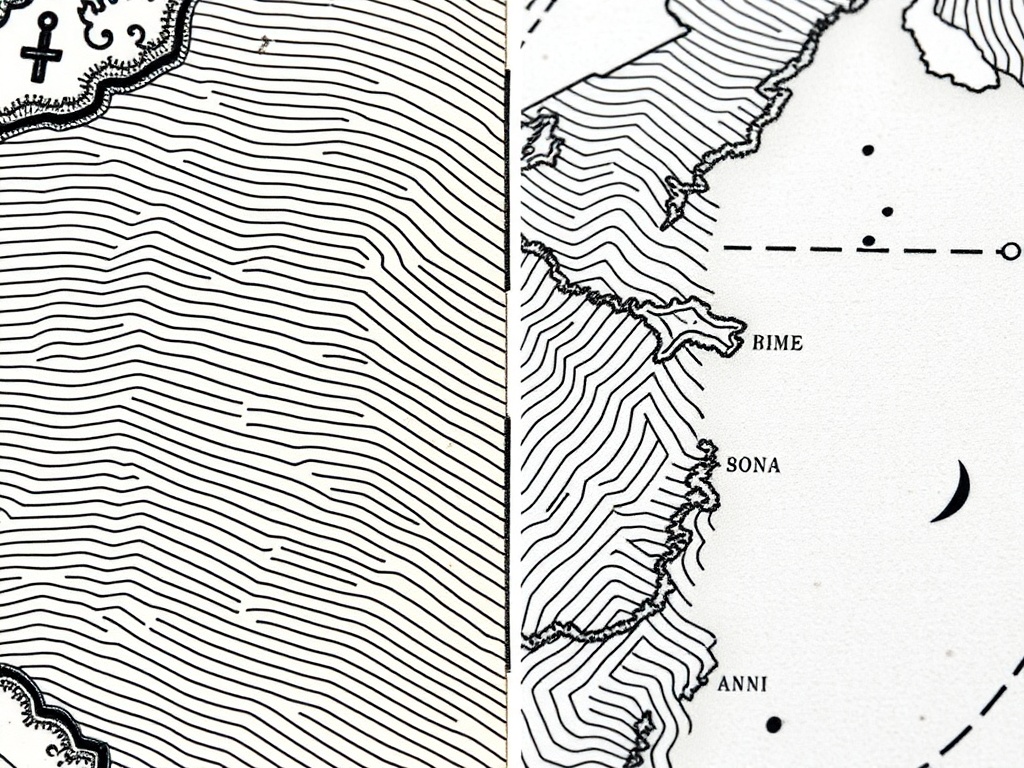
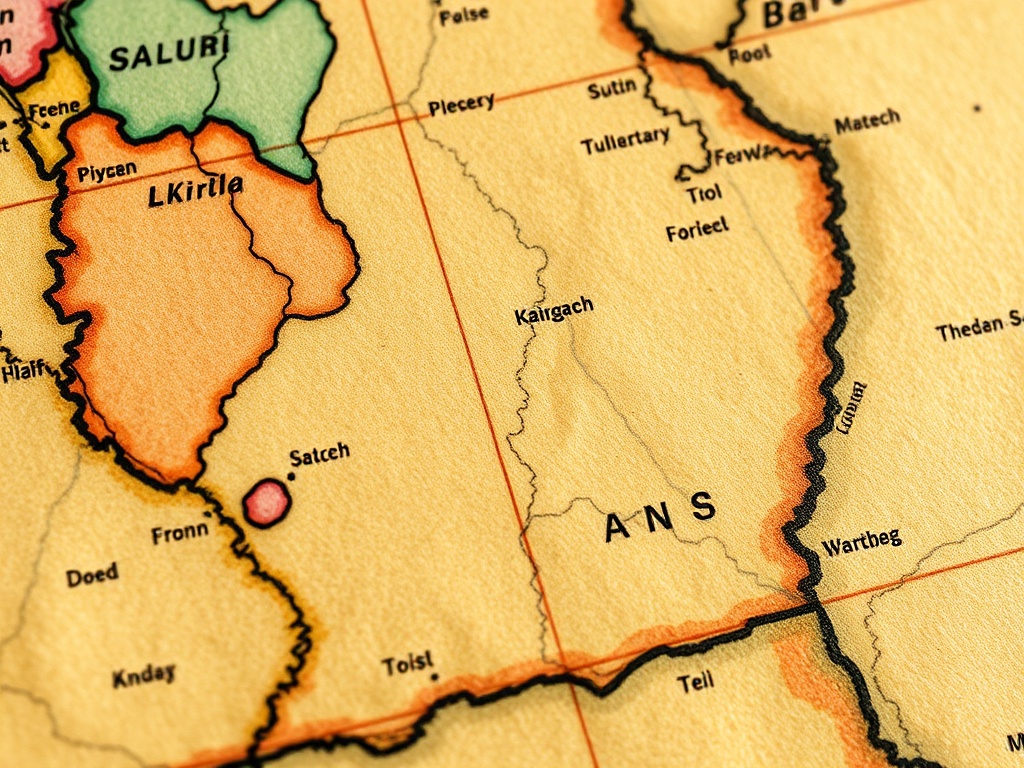
Hand coloring was common on early maps, often applied after printing. That means:
- Slight variation in color application
- Brush strokes visible under magnification
- Color that doesn’t perfectly align with borders
Machine color (later maps) looks uniform. Modern prints look too perfect.
Bright, saturated colors on a supposed 18th-century map? Walk away.
5. Condition: Where Value Is Won or Lost
Condition is the biggest driver of price—and the easiest place to overpay.
Here’s how collectors actually evaluate maps:
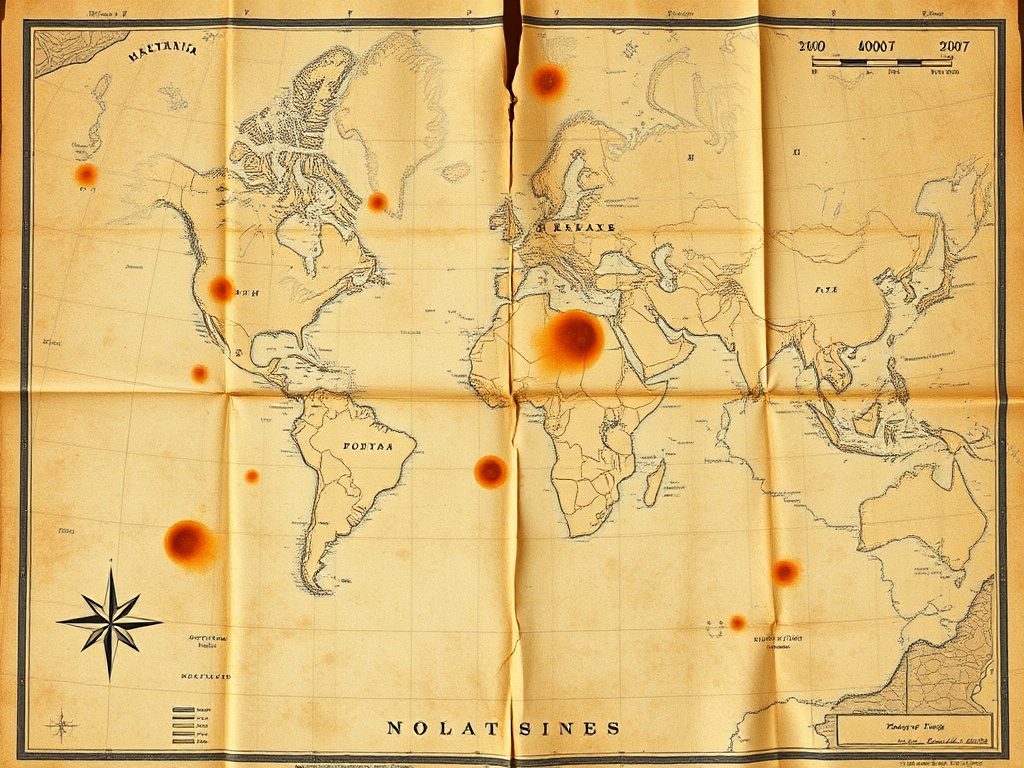
- Foxing: brown spots from oxidation (common but affects value)
- Tears and repairs: small tears are acceptable, heavy restoration lowers value
- Margins: trimmed edges reduce desirability
- Folds: original atlas folds are fine; new creases are not
A heavily restored map can look great—but it’s no longer a pure collectible. Price should reflect that.
6. The Seller Matters More Than the Map (Sometimes)
Two identical maps can sell for wildly different prices depending on who’s selling them.
Reputable dealers:
- Provide clear publication details
- Disclose restoration honestly
- Offer return policies
Risky sellers:
- Use vague phrases like “old-style” or “vintage look”
- Avoid answering direct questions
- Have inconsistent listings across items
If you’re buying online, treat reputation as part of the item’s value.
7. Understand What Actually Drives Price
Not all old maps are valuable. Some are common. Others are rare but overlooked.
Key value drivers include:
- Age: older generally means more valuable
- Rarity: limited print runs or niche regions
- Cartographer: recognized names command premiums
- Subject: early depictions of regions, errors, or unusual geography
- Condition: always matters
A 17th-century map of a lesser-known region can be worth less than a 19th-century map of a major city in pristine condition. Context matters.
8. Start Small—Then Get Selective
New collectors often try to buy a “centerpiece” too early. That’s where mistakes happen.
Instead:
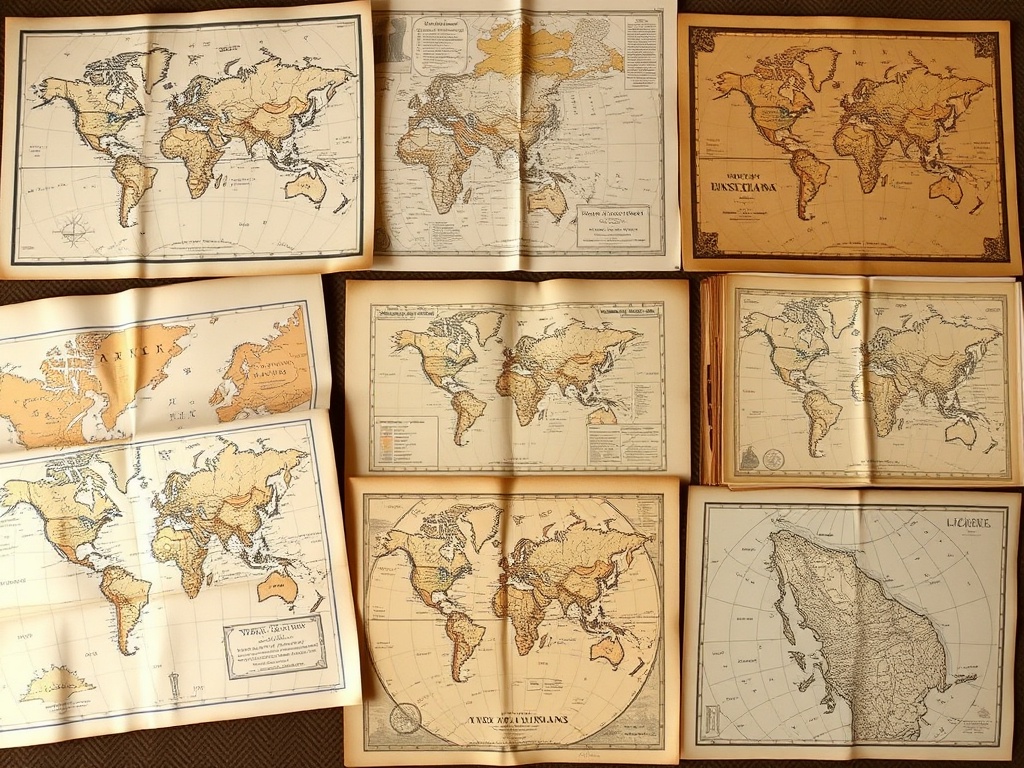
- Buy lower-cost authentic pieces first
- Handle as many maps as possible
- Learn how real aging looks and feels
Your eye develops faster through volume than through theory.
Once you’ve handled a dozen genuine maps, spotting fakes becomes much easier.
9. Storage and Handling: Protect the Investment
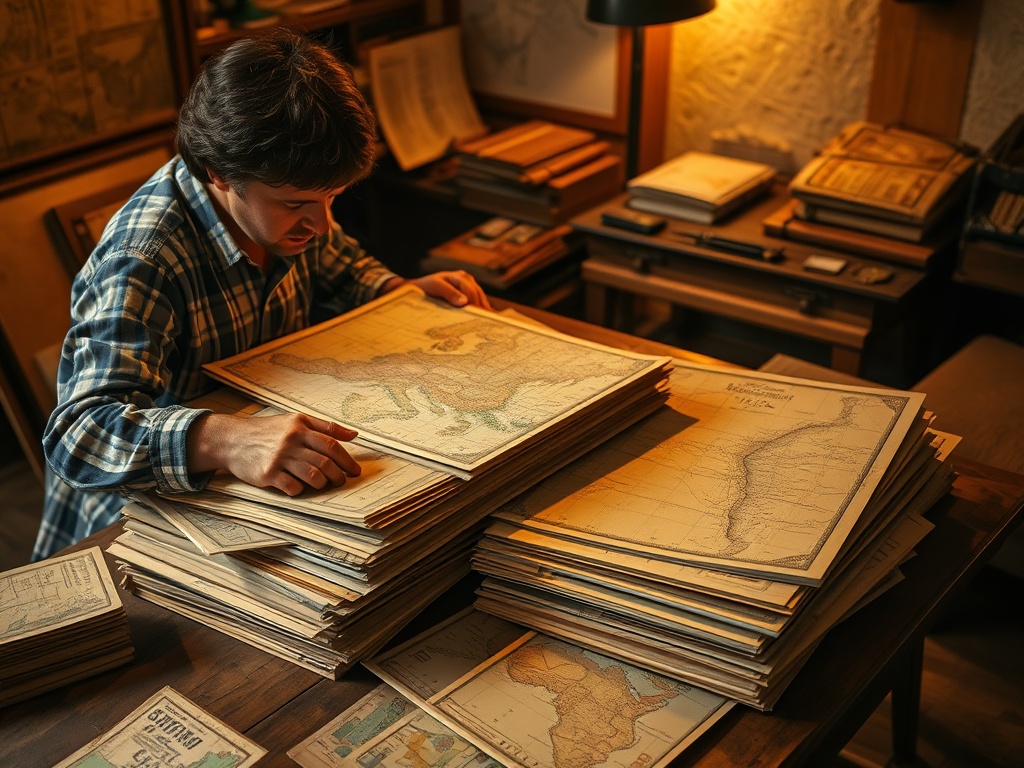
Buying the map is only half the job. Keeping it intact is what preserves value.
- Store flat or in archival sleeves
- Avoid direct sunlight (fading is irreversible)
- Control humidity (paper hates extremes)
- Use acid-free materials only
Framing? Use UV-protective glass and proper backing. Poor framing can damage a map faster than neglect.
10. Red Flags That Should Stop You Immediately
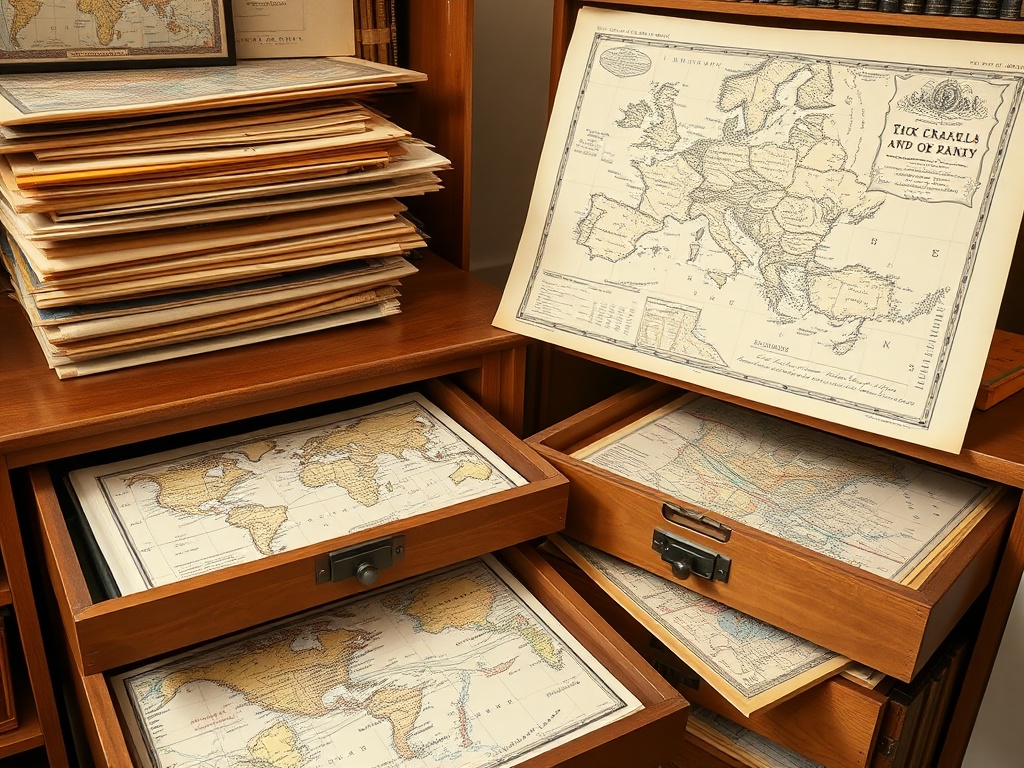
Some warning signs aren’t subtle. If you see these, move on:
- “Printed on antique-style paper”
- No publication date or cartographer listed
- Perfect condition on a supposedly very old map
- Bulk listings of identical “antique” maps
There will always be another map. Walking away is part of the skill.

Final Thoughts: Buy the Map, Not the Story
Every map comes with a story—sometimes from history, sometimes from the seller. Your job is to separate the two.
Focus on physical evidence, not narrative. Paper, print method, condition, provenance. Those don’t lie.
The collectors who last in this hobby aren’t the ones who buy the most—they’re the ones who buy carefully.
Do that, and your collection won’t just look good on a wall. It’ll hold its ground over time.