A Collector's Guide to Buying Vintage Maps

The Art of Collecting Vintage Maps
Collecting vintage maps is a fascinating and rewarding hobby. Whether you're looking for historical significance, aesthetic appeal, or just a unique conversation piece, vintage maps can offer something for every type of collector. In this guide, we’ll explore the essentials of buying vintage maps, from understanding the market to ensuring you make a smart purchase.
Why Collect Vintage Maps?
Vintage maps are more than just navigational tools – they are historical artifacts that give us a glimpse into the past. Each map tells a story of exploration, trade, and discovery, making them highly valuable not only for their age but for the stories they represent.
The world of vintage maps is vast, ranging from the first maps of the Americas to rare depictions of ancient civilizations. Whether you focus on topographical maps, city plans, or historical world maps, there is an endless variety to explore. Moreover, owning a map can be an immersive way to experience history, art, and geography all at once.
How to Start Your Map Collection
Starting a map collection can be intimidating for beginners, but with the right approach, it can be a rewarding experience. Here are a few steps to help you get started:
- Research – Before purchasing any maps, it's important to understand the different types and their historical significance. Do your research on the maps you are interested in.
- Set a Budget – Vintage maps can vary in price from a few dollars to thousands, depending on rarity, condition, and age. Setting a budget will help narrow your choices.
- Start Small – Begin with more affordable maps to get a feel for the market before making bigger investments.
- Work with Dealers and Auctions – Trusted dealers, auction houses, and online marketplaces can be great resources for finding quality maps.
Identifying Valuable Maps
Not all vintage maps are created equal. The value of a map can be influenced by several factors:
- Age – The older the map, the more valuable it may be, especially if it represents a time or event of historical importance.
- Condition – A map in good condition is always more valuable than one that is torn, faded, or damaged. Proper storage and care can preserve a map’s condition.
- Rarity – Maps that were printed in limited quantities or are no longer in circulation can fetch a higher price.
- Provenance – A map’s history, including previous owners or famous connections, can also affect its value.
Where to Buy Vintage Maps
There are several places to find vintage maps, both online and offline. Some of the best options include:
- Antique Stores – Many antique stores carry a selection of vintage maps, often with a local or regional focus.
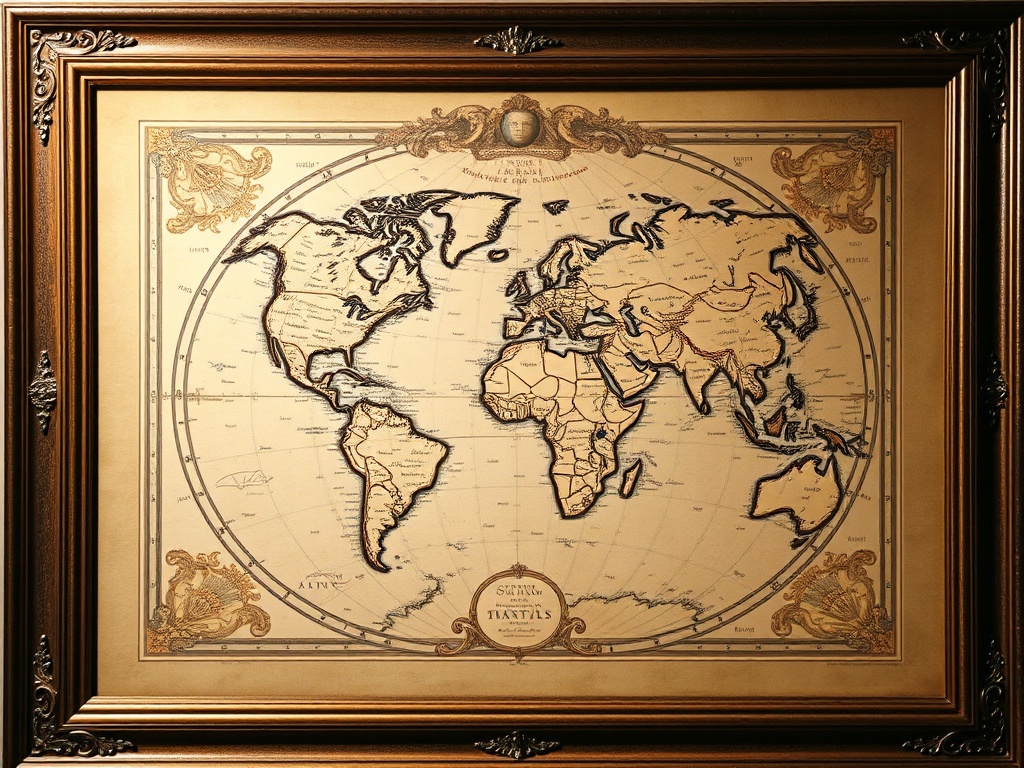
- Map Dealers – Specialized dealers are often your best bet for finding rare or high-quality maps.
- Online Marketplaces – Websites like eBay, Etsy, and specialized auction sites can be great places to find vintage maps at competitive prices.
- Auctions – Auction houses often sell rare and collectible maps, sometimes with starting prices much lower than the final hammer price.
Preserving and Displaying Your Collection
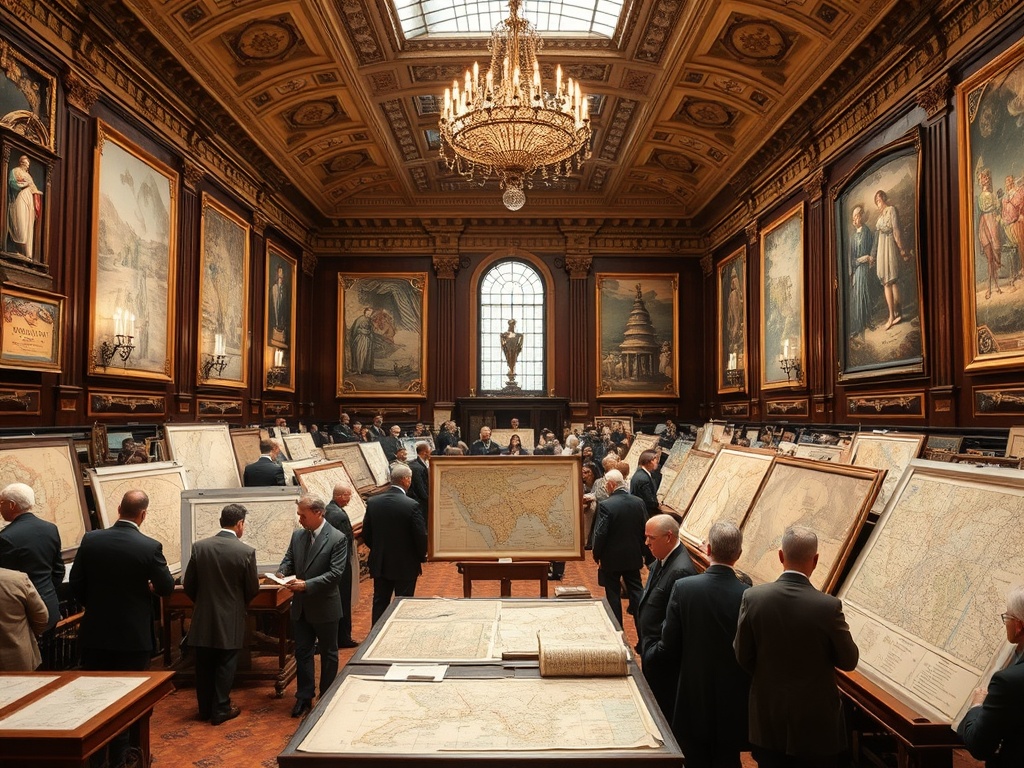
Proper preservation and display are crucial for maintaining the value and condition of your map collection:
- Storage – Store maps flat in a climate-controlled environment, away from direct sunlight, to prevent fading and damage.
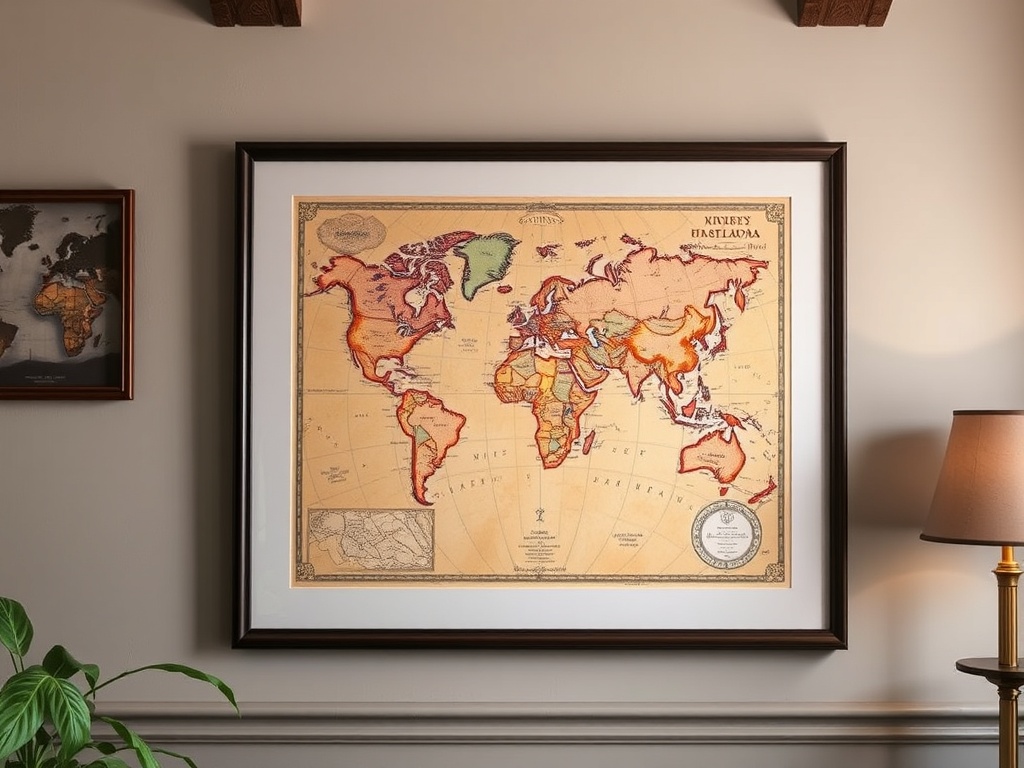
- Framing – If you choose to display your maps, use acid-free frames and materials to protect them from deterioration.
- Handling – Always handle maps with clean hands or wear cotton gloves to avoid transferring oils or dirt to the paper.
Conclusion
Collecting vintage maps is a journey through time, art, and history. By following these tips and doing your research, you can build a collection that not only has value but also offers an incredible look at the world as it once was. Happy collecting!